

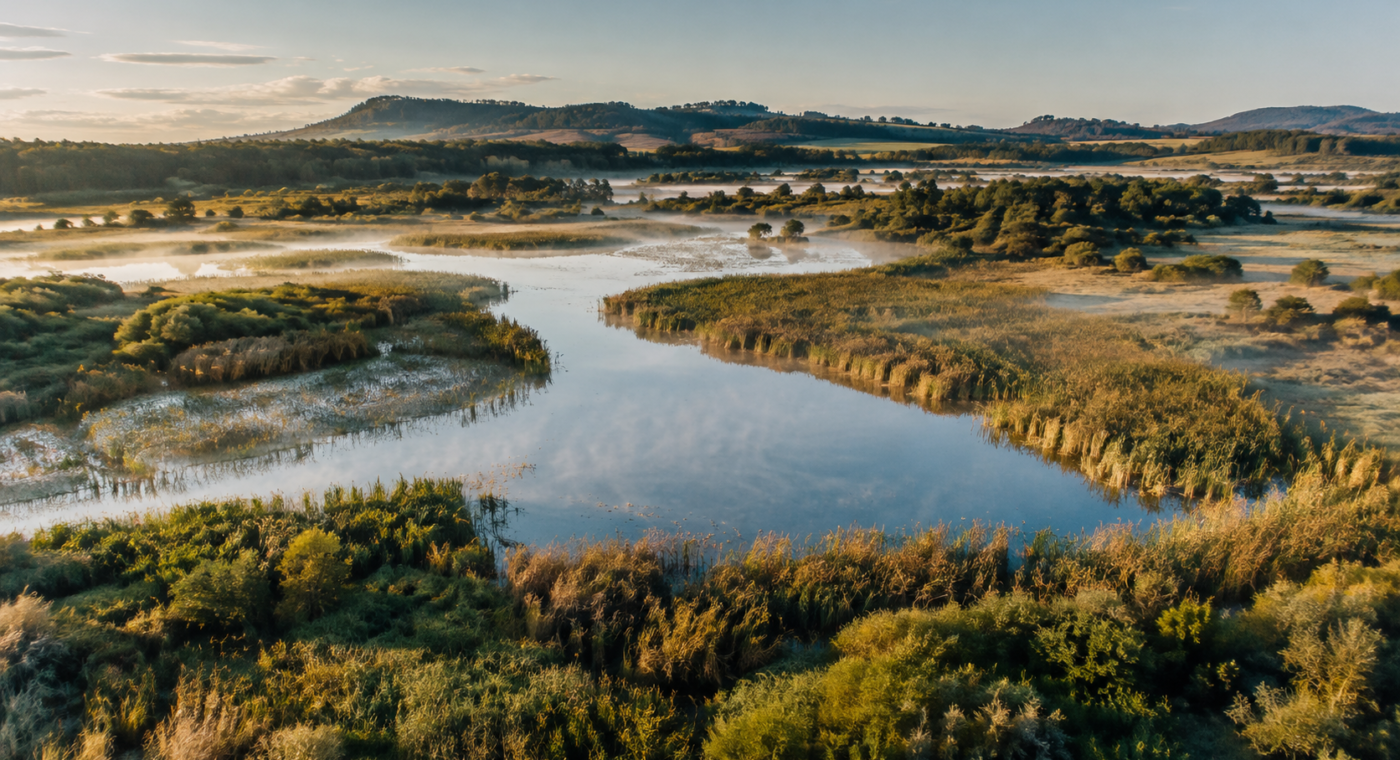
New Zealand has committed NZ$2 million over two years to begin restoring Whangamarino, an internationally important Ramsar wetland in the north Waikato, while also directing NZ$75,000 to captive breeding of the threatened Māhoenui giant wētā.
The wetland investment will launch work under the Whangamarino Action Plan. Priorities include better water-level management, improved water quality, ecological restoration and reducing the pressure from invasive koi carp. The 7,000-hectare complex of open water, swamps, fens and peat bogs has been damaged by altered hydrology, pollution, invasive species, floods and a human-caused fire in 2024.
Officials say the money will come from the International Visitor Conservation and Tourism Levy. The approach links tourism revenue with the landscapes and species that support the visitor economy, while placing restoration work in partnership with iwi and other stakeholders.
The smaller grant will support breeding work at Otorohanga Kiwi House, delivered with Te Whare o Mōkau ki Runga. More than 300 Māhoenui giant wētā have been bred in captivity since 2021. The species is among New Zealand’s most endangered invertebrates.
The announcement follows a formal assessment warning that Whangamarino has deteriorated since receiving Ramsar status in 1989. The new funding is a first step rather than a complete repair: the official assessment stresses that recovery will require sustained coordination across water management, land use, invasive-species control and cultural values.