

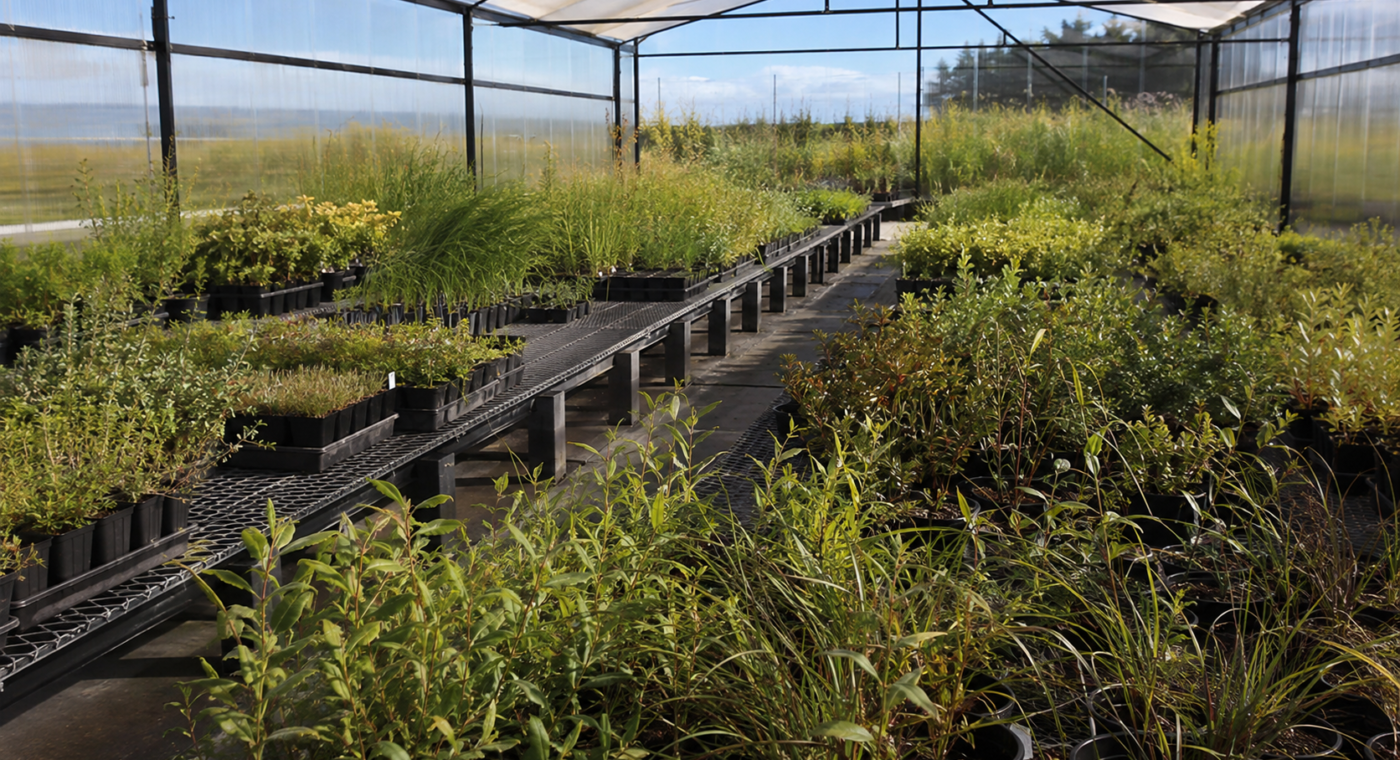
A New Zealand conservation nursery is packaging native plants for fire resistance, erosion control and wetland recovery. The idea sounds modest, but it points toward a broader change protected-area managers should embrace: restoration plans need to prepare landscapes for future conditions, not simply recreate the past.
The Department of Conservation’s Motukārara nursery serves Canterbury and Te Pātaka o Rākaihautū/Banks Peninsula, regions where native vegetation has been drastically reduced. Its plant packages are designed around practical functions—slowing erosion, protecting waterways and reducing vulnerability around fire-prone properties.
Traditional restoration often focuses on species lists and historical reference points. Those remain essential, but climate change is altering fire behavior, rainfall and flood patterns. Planting decisions now have to consider resilience, connectivity and the safety of neighboring communities alongside ecological authenticity.
That does not justify filling protected landscapes with any hardy species available. Locally appropriate native plants, careful provenance and monitoring are crucial. Nor should planting distract from harder tasks such as reducing emissions, controlling invasive species and protecting intact habitat. A nursery cannot compensate for continued ecosystem loss.
What it can do is translate climate adaptation into visible, repeatable action. Park agencies should share survival data, fire behavior and hydrological results so that climate-ready restoration becomes evidence-based rather than a marketing label.