

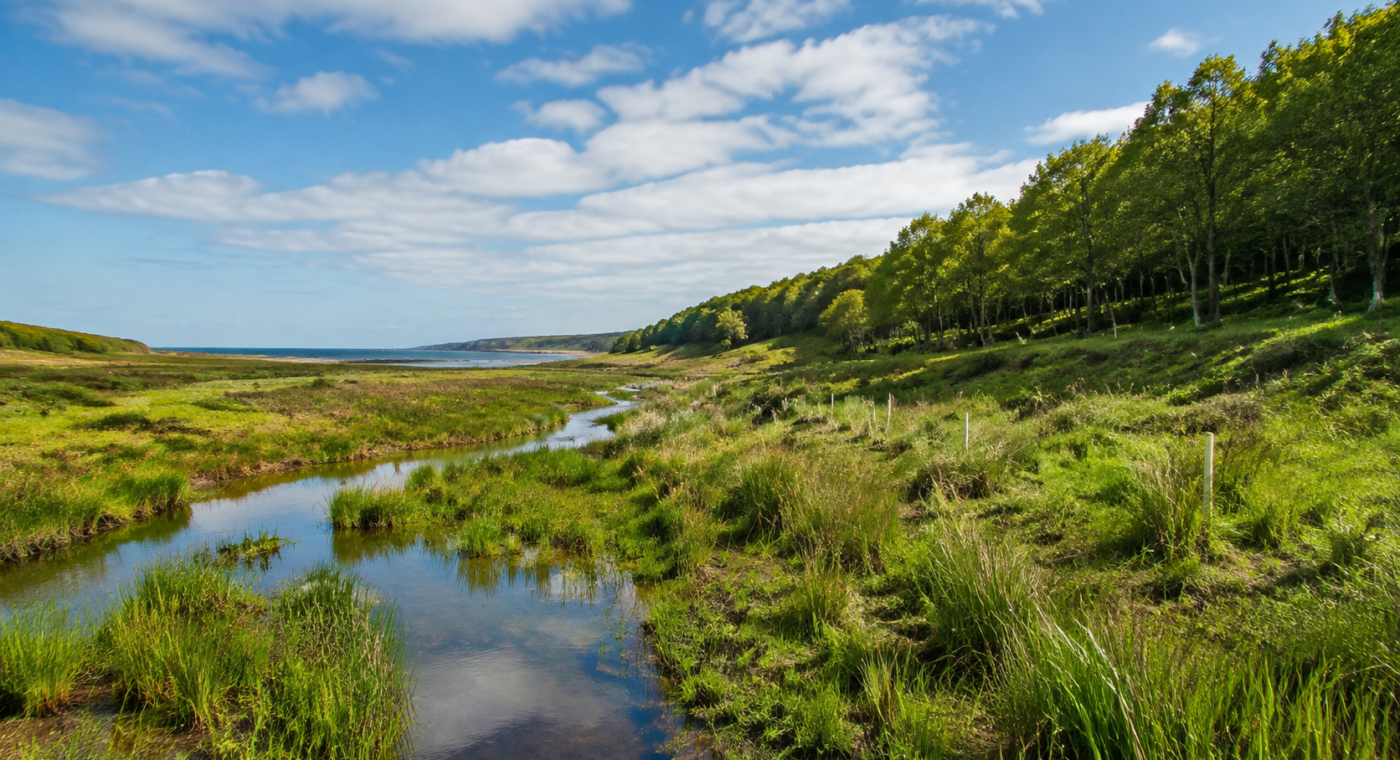
Opinion: The submission of draft national restoration plans is a real milestone for Europe’s Nature Restoration Regulation, but ambition will only become credible when the public can see where work occurs, how ecological condition changes and who pays.
The law aims for restoration measures covering at least 20 percent of EU land and sea by 2030 and all ecosystems in need of restoration by 2050. Member states’ drafts are meant to organize actions through 2030 while looking ahead to 2040 and 2050.
Flexibility is necessary because a wetland in Finland, a Mediterranean marine reserve and an agricultural landscape in Spain require different methods. Flexibility also creates room for vague promises. Final plans should publish baselines, maps, interim milestones, funding sources and monitoring methods in forms the public can compare.
The Commission and European Environment Agency will assess the drafts, and the Commission says its observations will be public. That transparency should be the floor. Restoration succeeds through measurable ecological improvement, not hectares announced in a strategy.
Sources: European Commission; Regulation (EU) 2024/1991