

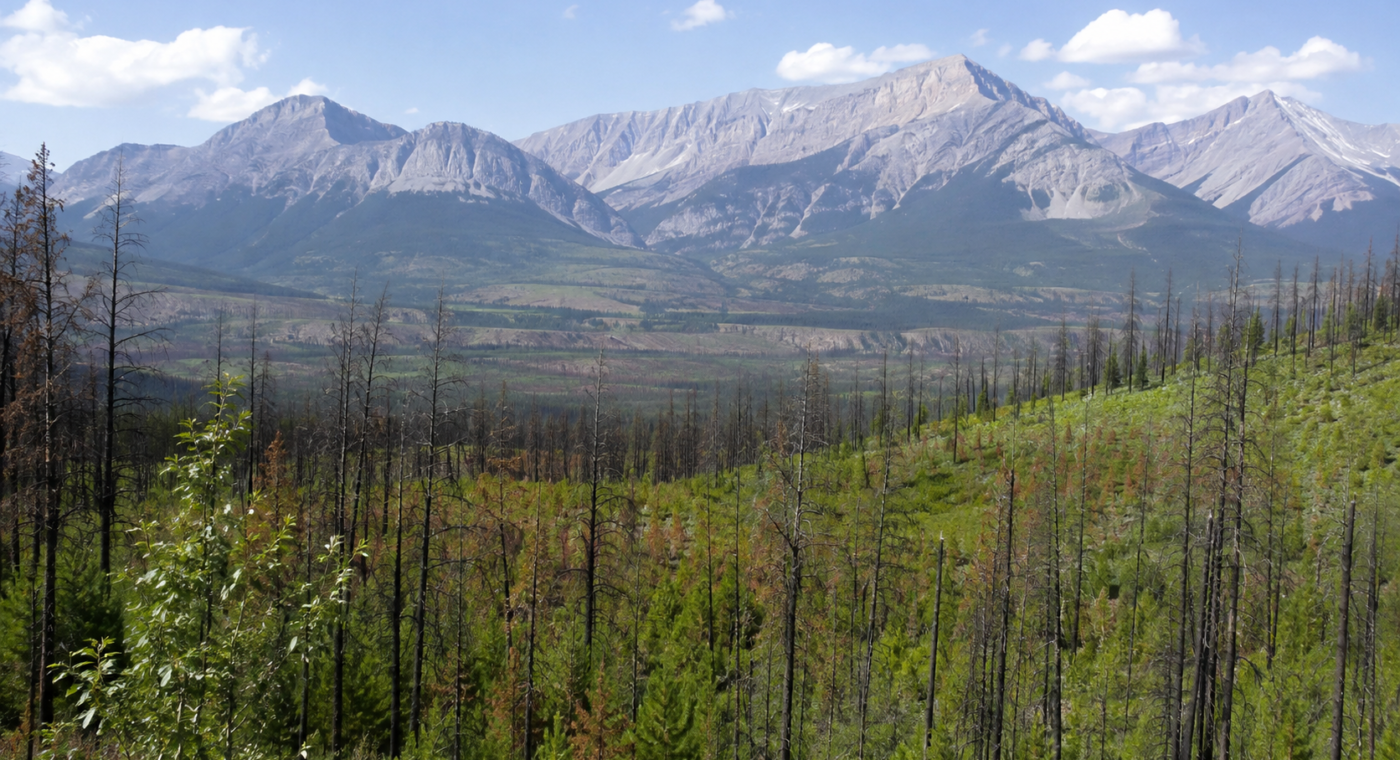
The 2024 Jasper wildfire changed more than forests and views. It swept across a cultural landscape containing roughly 168 known archaeological sites, creating an urgent need to understand what was damaged, what was newly exposed and how those places should be protected.
In 2025, Parks Canada archaeologists, cultural-heritage staff and Indigenous partners surveyed 22 high-priority sites across Jasper National Park. Their work is now becoming part of the park’s public interpretation, including a September program examining how fire affects archaeology and what material evidence can reveal about Jasper’s past.
Wildfire archaeology is a delicate race. Reduced vegetation can make features easier to see, but heat, erosion, falling trees and post-fire traffic can damage them. Recovery work must therefore protect ecological processes while also guarding cultural resources that may span thousands of years.
The Jasper effort also underscores the importance of Indigenous partnership. Archaeological sites are not merely objects on a map; they can be part of living cultural relationships with the land. Decisions about documentation, access and interpretation carry responsibilities that extend beyond conventional scientific research.
For visitors, the lesson is practical as well as historical: artifacts and disturbed ground should be left in place and reported to park staff. In a landscape recovering from disaster, even a well-intentioned souvenir can erase context that researchers and communities need.
Source: Parks Canada